
Where Education, Career and Life Meets Balance !
Hello,
My name is Nikhila C.R., an antenna designer & hardware R&D engineer by profession. I pursued my master’s degree in wireless communication for two years in Sweden and then worked there for about four years. I would now like to share my life experiences from that time.
My time in Sweden was an experience I will treasure for the rest of my life, and I would be delighted to share it. I began my journey as a master’s student in a city with a large international student population. Moving to a new country often makes the first steps—handling admissions, finding accommodation, and making new friends—feel daunting, but the immense help I received from university chat groups made everything much easier and helped me build friendships well before I moved.
For admissions, universities typically publish application links on their official websites. Prospective students must upload their academic transcripts/certificates statement of purpose, letters of recommendation, and any relevant work experience certificates. The university announces the admission results and issues letters of acceptance to the students. Students are granted a period of one month to sign and return the acceptance letter. Following acceptance, the accommodation procedures begin, which are often facilitated by the universities.
Students can also apply for private accommodations online. Next is the scholarship application process, which, if successful, can provide a partial waiver of the tuition fees. The admission process is now completed. Although the process is lengthy, it remains straightforward and transparent, which is particularly commendable from the perspective of international and newly admitted students.
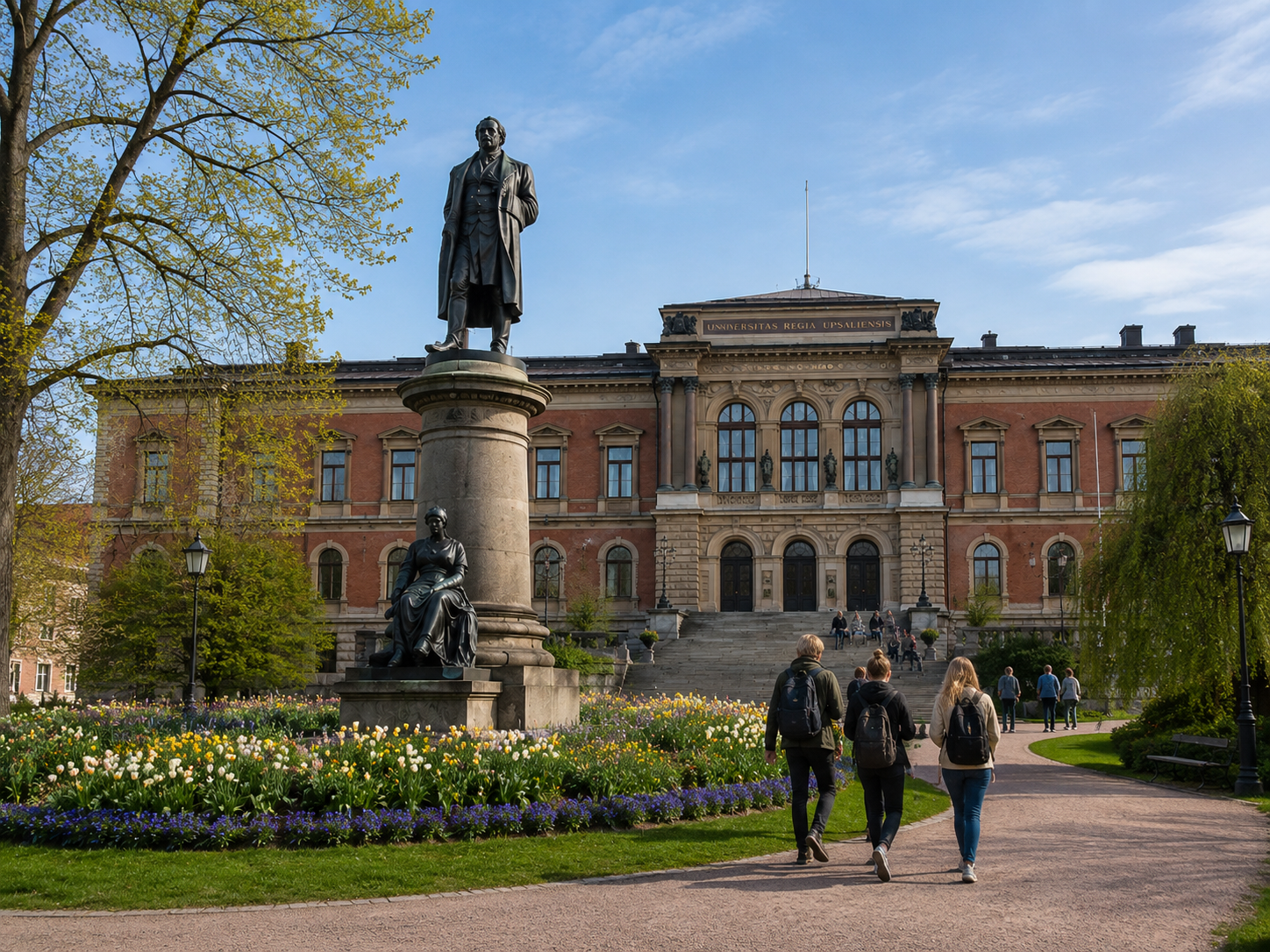
Many support groups, both online and offline, help students understand and adjust to both academic and everyday life in Sweden. They connect us with friends from our own city or country, provide general information about student life, and share practical tips on where to buy things and what is available where. This support made my daily life much simpler. For example, I learned where to buy Indian masala powders and snacks, which made cooking easier. Also, the weather in Sweden is quite harsh and varies throughout the day, with snow, all-day rain, and strong, extreme winds. It is important to know where to buy the right type of clothing and shoes. In order to buy and move around in the city, I often travelled by bicycle, bus, tram, or local train depending on the weather.
The university usually recommends that international students arrive in Sweden at least two weeks before the actual curriculum officially starts so they can explore the city and buy essential items. Students are then welcomed to a three-day orientation program that includes a university tour, an introduction to their respective master’s programs, and a small welcome party. Most technical master’s programs last for two years, and are divided into four semesters, and typically begin at the end of August. Each semester is divided into two study periods, with 5-6 courses in total. Classes are held four hours a day, four days a week, and this schedule gives students enough time to study and manage their personal lives, including cooking, cleaning, and grocery shopping.
Most professors hold a PhD or higher degree and are highly proficient in addressing students’ questions while also providing excellent guidance. Assignments and lab work are always based on real-life problem scenarios, which truly helps us understand the kinds of challenges we will face in the industry once we start working. As a result, preparing for examinations becomes much easier. Examinations are conducted by the end of each study period and typically last about five hours. It is nice that students are allowed to bring their own food and snacks into the exam hall, which makes long exams much more comfortable.
Master’s programs can often feel stressful, and adapting to a new way of life is challenging in general, but universities arrange free student counselling sessions to help and to ease the overwhelming pressure. With this support, many students soon begin to truly enjoy life in Sweden. Overall, I feel that my two-year master’s program was a uniquely different and enriching experience.
I was fortunate to experience the work culture in the Swedish industry. For master’s students like me, job interviews are conducted mostly around the last semester of the master’s program. Interested candidates are expected to send in their resumes, and once shortlisted, there will be a face-to-face interview. Work hours generally start at 8 in the morning, lasting about 7.5–8 hours a day, 5 days a week, leaving ample time to spend with family after work. Companies provide a compulsory 25 paid days of leave per year to truly support a healthy work–life balance, which is definitely vital for good mental health.
I truly admired this art of balance and way of living when I observed it in my classmates and colleagues.I was fortunate to experience this wonderful way of living. I enjoyed every bit of my student and professional life in Sweden. My friends and I spent quality time shopping, eating, cooking, studying, hiking, and working together. Cheers to all the great memories!
Nikhila C.R
R&D Engineer