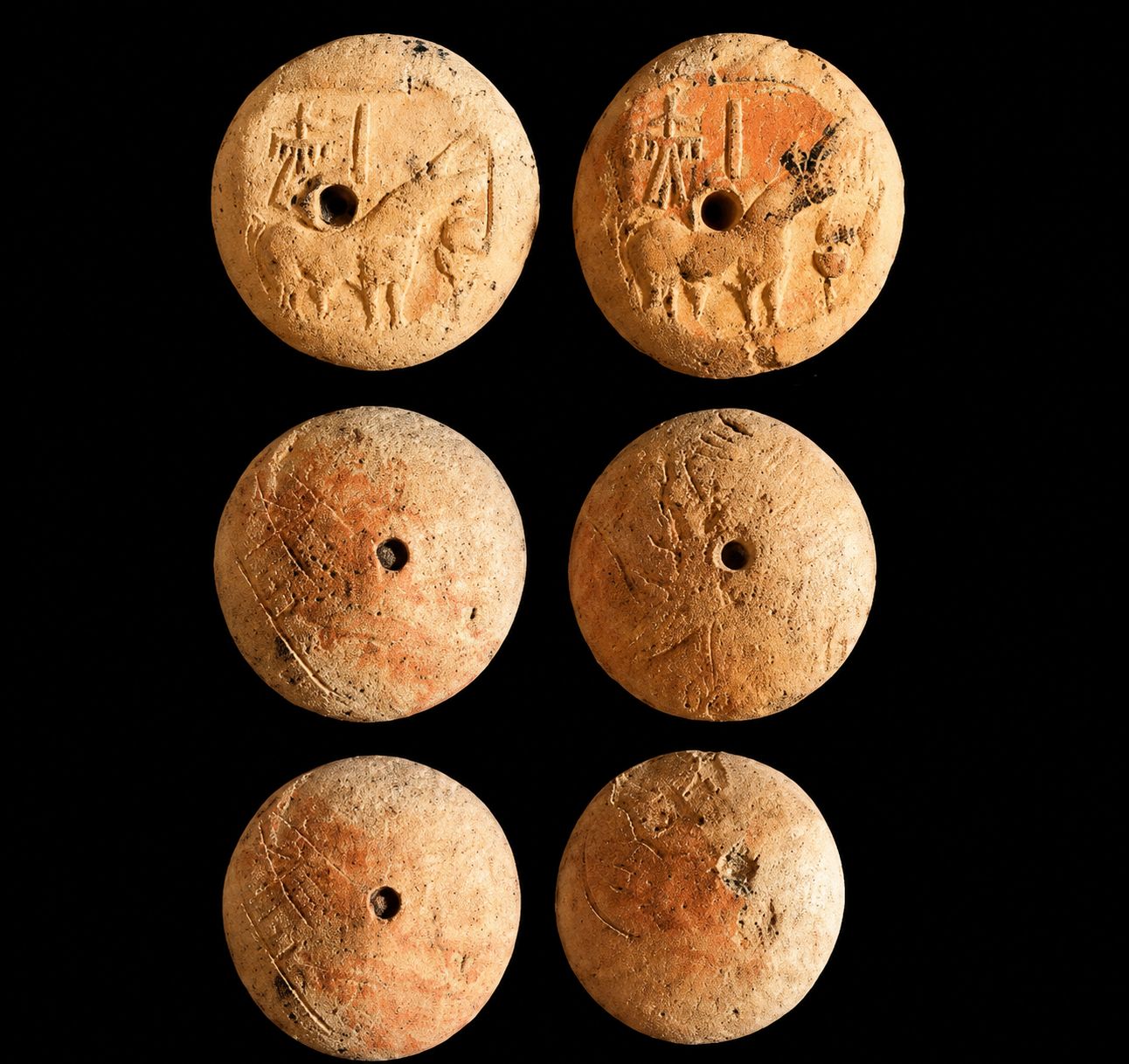
The Indus Valley Civilization may have used terracotta seals to identify travelers and regulate movement long before modern passports were available. Archaeologists studying the Harappan site of Kanmer in Gujarat discovered three distinct clay seal pendants with holes, implying that they may have served as travel markers or passes. Researchers believe that these seals aided in the identification of individuals moving between settlements and trade centers nearly 4,000 years ago. While their exact purpose remains unknown, they provide fascinating insights into early systems of identification, trade, and administration. The concept of travel authorization evolved throughout the Mauryan, Mughal, and British eras, culminating in today’s passport system. These remarkable discoveries demonstrate the Indus civilization’s sophistication and advanced approach to governance and commerce.
The World’s Earliest Passport? A Fascinating Harappan Discovery