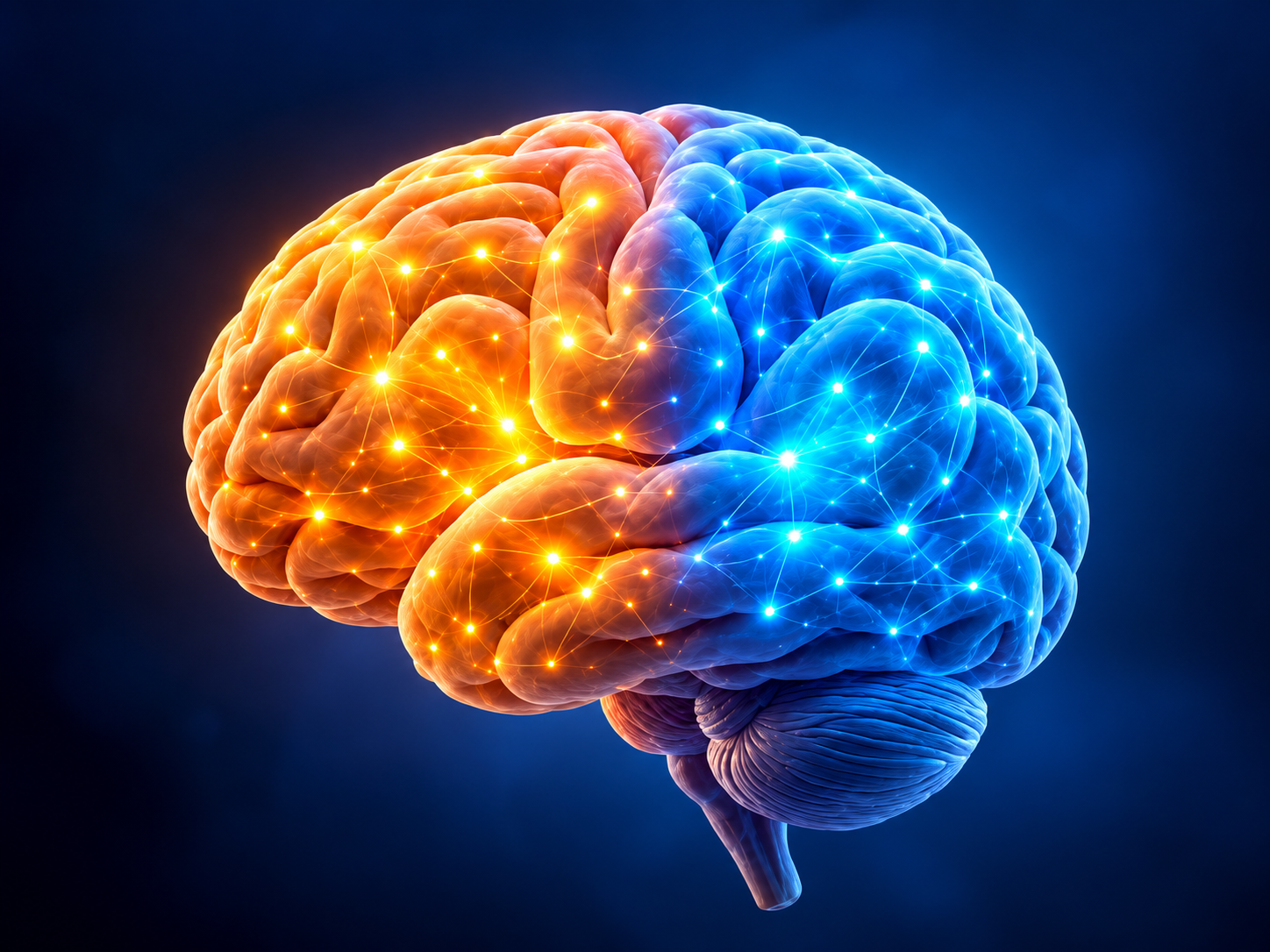
Stanford Study findings from Medicine suggest that the brain develops from two distinct cellular lineages rather than one common early source. Researchers identified separate progenitor groups in developing mouse embryos: one gives rise to the forebrain and midbrain, while another forms the hindbrain. The same two-origin pattern was found across species including chickens, zebrafish and acorn worms, suggesting it may have been conserved for more than 550 million years. The discovery also helped scientists to produce functional human hindbrain motor neurons from pluripotent stem cells in the laboratory. These cells could provide useful models for studying neurological disorders such as spinal muscular atrophy and ALS. Published in Nature Neuroscience, the research challenges the traditional understanding of brain development and could open new avenues for studying brainstem diseases and developing future research models.
Stanford Study: Scientists Discover Two Ancient Origins of the Human Brain